A few years ago, the idea that an esports competition could rival the scale, passion and production of the Olympics or the World Cup might have sounded far-fetched. But today, as someone fortunate to witness the evolution of esports from the inside out, I can confidently say: we are living in that reality.
Gaming and esports have gone mainstream not just as entertainment, but as cultural forces. And that transformation is radically changing how we, as communicators and marketers, connect with global audiences, especially younger ones.
This summer, the Esports World Cup (EWC) returned to Riyadh in its most significant and boldest edition yet, featuring over 2,000 elite players from more than 100 countries, representing over 200 clubs, competing across 25 tournaments. The prize pool? A staggering $70 million, the largest in esports history.
But it was not just the scale that made EWC a milestone. It was the impact. More than 750 million viewers globally, more than 350 million hours watched, over 30,000 media articles in more than 4000 global media outlets, and over 3 million people visited Riyadh Boulevard City, the venue hosting the Esports World Cup. For the first time, major sports broadcasters began covering esports alongside football and Formula 1.
We saw creators on morning shows, traditional journalists attending post-match press conferences, and brands that once hesitated to enter the space now jumping in with full force. From Forbes to CNN to BBC, esports is no longer just a subculture; it is a headliner. We saw mega stars across various sports dazzled by what they saw, from Lando Norris calling it incredible to tennis superstar Nick Kyrgios boldly confessing his love for gaming made him miss tournaments, to Brazilian legends Kaka and Ronaldo going toe-to-toe in a breathtaking show match. The skateboarding icon himself, the one and only Tony Hawk, the chess master Magnus Carlsen, Stranger Things Star David Harbour, Spanish football star Thiago Alcantara and many others attended and saw firsthand not just an event, but a rise of an industry that will take over the world in the coming years.
And it is not hard to see why. The global esports audience surpassed 540 million in 2024, and over 3.4 billion people worldwide now identify as gamers. For brands looking to remain relevant, especially with Gen Z and Gen Alpha, this is no longer just an opportunity, it is a necessity. And if you haven’t heard yet, in 2026, there will be a global cup for nations to compete in, the Esports Nations Cup, where players will represent their flags with pride, and fans will rally behind their national teams just like they do in every other sport.
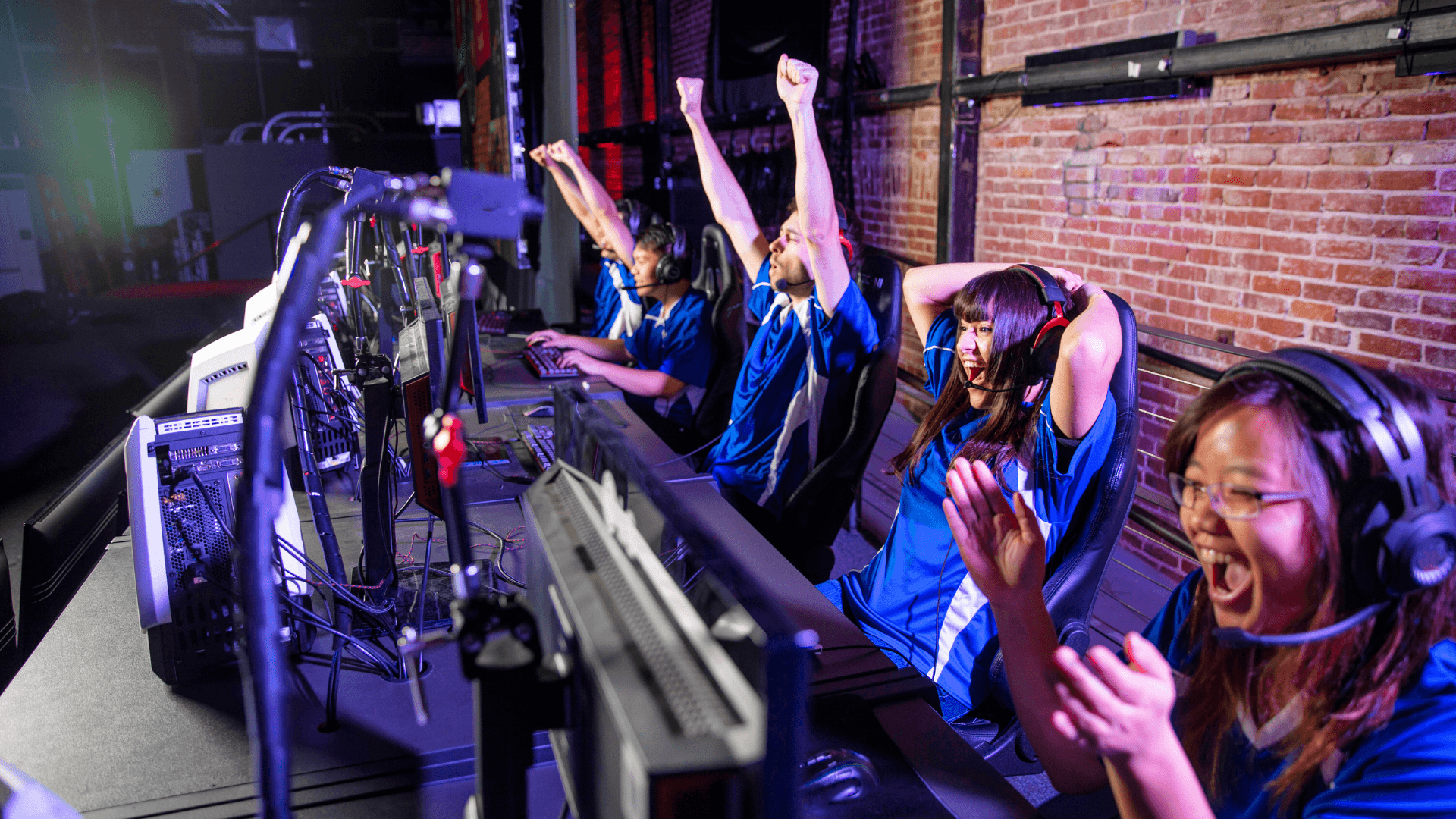
What is driving this surge? At the centre of it all are the players, the esports athletes who have built communities in the millions, trained like Olympians, and now compete in sold-out arenas around the world. At the SEF Arena in Riyadh, I have seen fans line up hours before a match to see their favourite League of Legends star or to chant for their country’s top PUBG Mobile team.
These athletes are not just players anymore, they are brands. Their stories of sacrifice, mental endurance and triumph resonate just as profoundly as those of traditional sports legends. And that human element has unlocked something powerful: emotional engagement. Fans do not just follow the matches, they follow the personalities, rivalries, daily routines and behind-the-scenes drama.
This is the new era of storytelling. And it is where strategic communications must evolve, moving beyond traditional campaign playbooks to meet audiences where they live, such as on Twitch, TikTok, online communities and in immersive digital spaces.
Standing close to the athletes are the teams. Organisations like Team Falcons, Team Liquid, Team Vitality and many others are no longer just competitive units; they are also media platforms, culture drivers and innovation labs. The opportunity for global brands to partner with them is not about placing logos on jerseys; it is about co-creating stories, connecting with passionate communities and earning authenticity.
At Burson, I’ve had the unique privilege to lead a team of passionate gamers and professional communicators, to work alongside the Esports World Cup Foundation and deliver both the Esports World Cup and the New Global Sport Conference (NGSC), a forum we helped craft to spark dialogue between gaming, esports, sports, tech and policy leaders. NGSC has brought together visionaries, C-suite executives, investors, creators and stars, all debating and shaping what the future of this industry looks like. It is more than a conference; it is a mirror of a rapidly shifting world.
For me, this is more than just a professional journey; it is personal. I grew up gaming. Like many in this region, I played online games with friends long before esports gained global recognition. Today, helping to shape the narrative of this industry, from the heart of Saudi Arabia to the rest of the world, is a privilege and a responsibility I do not take lightly.
What we are building is not just a moment. It is a movement. It is changing the way we tell stories, the way brands connect, and the way we think about global culture.
We have only scratched the surface.
To learn more about Burson Sports & Entertainment, click HERE.