In the UAE, 56% of STEM graduates are women, yet only 15% enter heavy industry. From workplace norms to imagery, heavy industry remains one of the most visibly male-coded sectors globally. Women are often absent from the environments they are being asked to join, which unconsciously reinforces who is expected to work there. Even safety signage depicts only male pictograms and language. For EGA, the world’s largest premium aluminium producer, attracting more women to the sector was a key diversity and inclusivity mission. EGA needed to start with its own environment, responding to a clear cultural tension where women were being educated for the future but not reflected in the workplaces shaping it.
When industrial signs only show men, the message resonates clearly: “this space wasn’t designed for women.” To make women visible, EGA and Burson challenged this bias across three levels: worksite, university, and society.
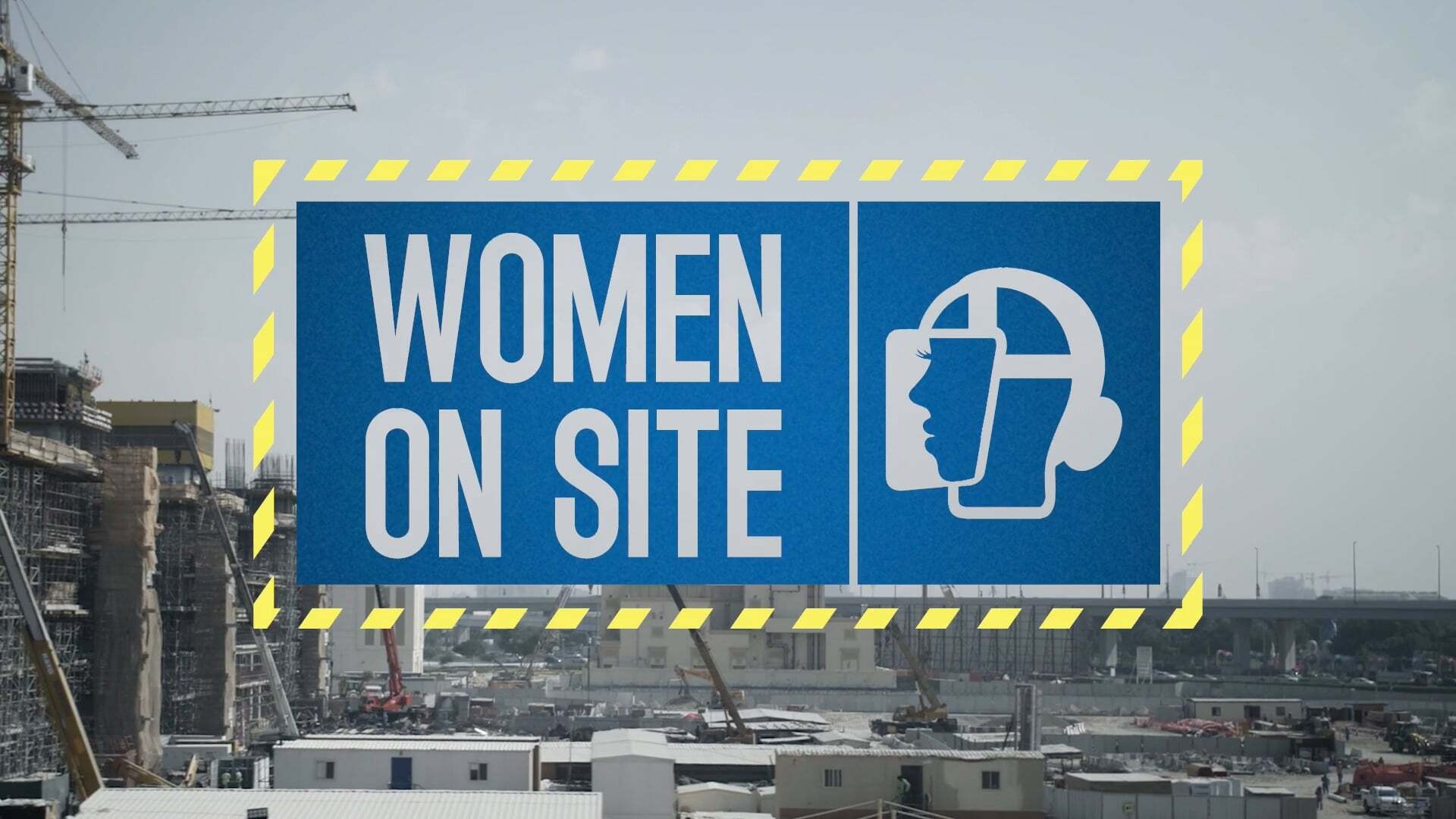
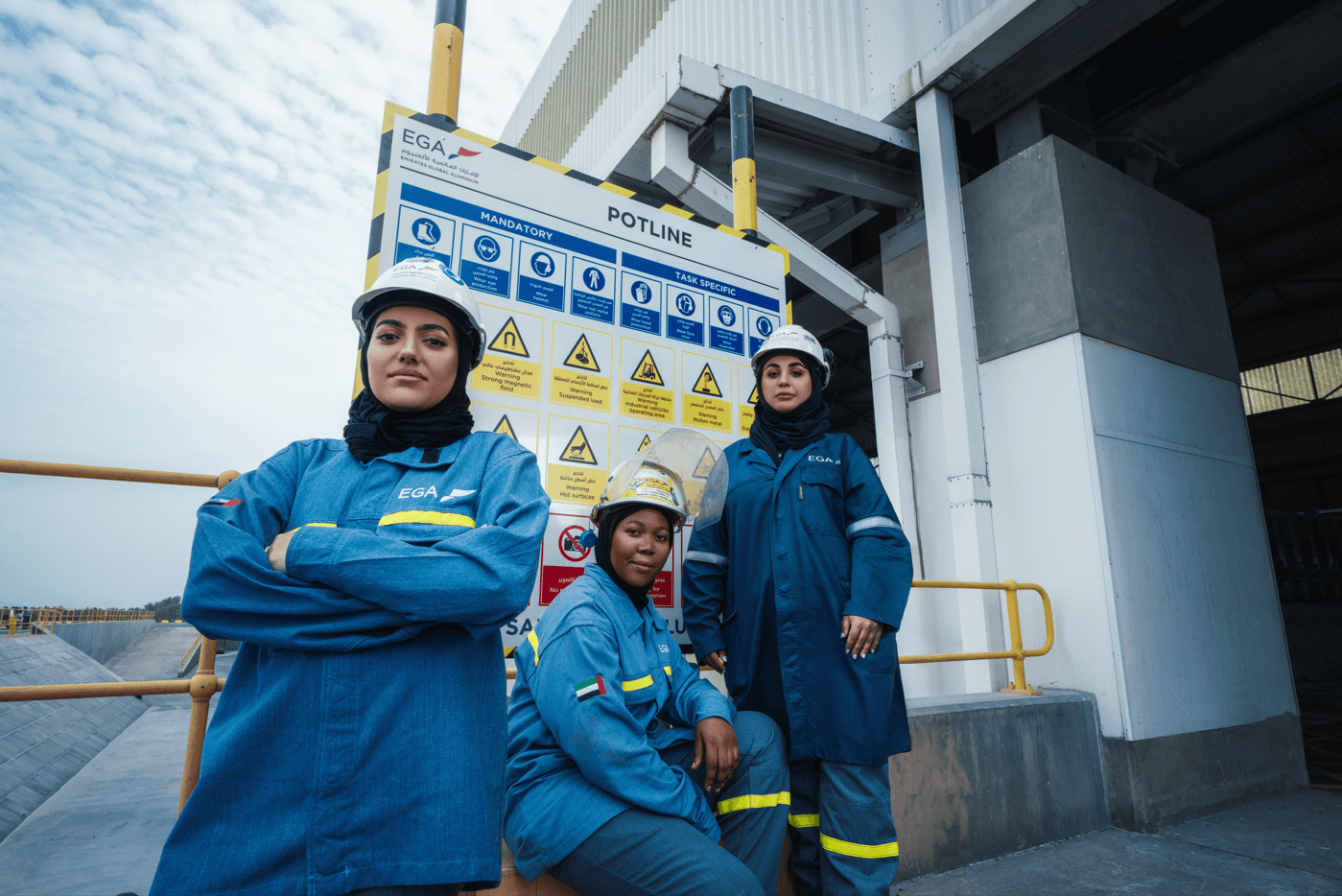
On the worksite, the campaign replaced male-only safety signs across all EGA facilities with a gender-inclusive design system. Through subtle but meaningful additions, including female hairstyles, facial features, workwear, and language, the signs encouraged belonging while still adhering to strict global safety and regulatory standards. Launched on Emirati Women’s Day, this signage system was made open-source to allow partners and companies across the UAE to adopt the designs on-ground.
At the university level, the campaign engaged women in STEM programs through panels featuring female role models, making the career path visible to future talent. Finally, to address societal bias, the campaign spotlighted familial support through social storytelling, knowing that 68% of Emirati women’s career choices are significantly influenced by family. This internal initiative scaled organically across the industry and society, generating lasting business impact.
By increasing visibility at all levels, more women saw themselves in heavy industry. The campaign positioned EGA as a leader in both industry and inclusivity, leading to an increase in career searches. Since launch, the number of women working at EGA has risen by 51%.